
There’s no single perfect start date for thru-hiking the Appalachian Trail. Your ideal timing depends on your experience level, weather tolerance, preference for solitude or community, and hiking direction. Understanding how your start date impacts every aspect of your journey will help you make the right choice. This guide breaks down everything you need to know about timing your AT thru-hike.
How Your Start Date Shapes Your Experience
Your start date affects three critical aspects of your thru-hike: the weather you’ll encounter, available trail infrastructure and support, and how many other hikers you’ll meet along the way.
Weather on the Appalachian Trail
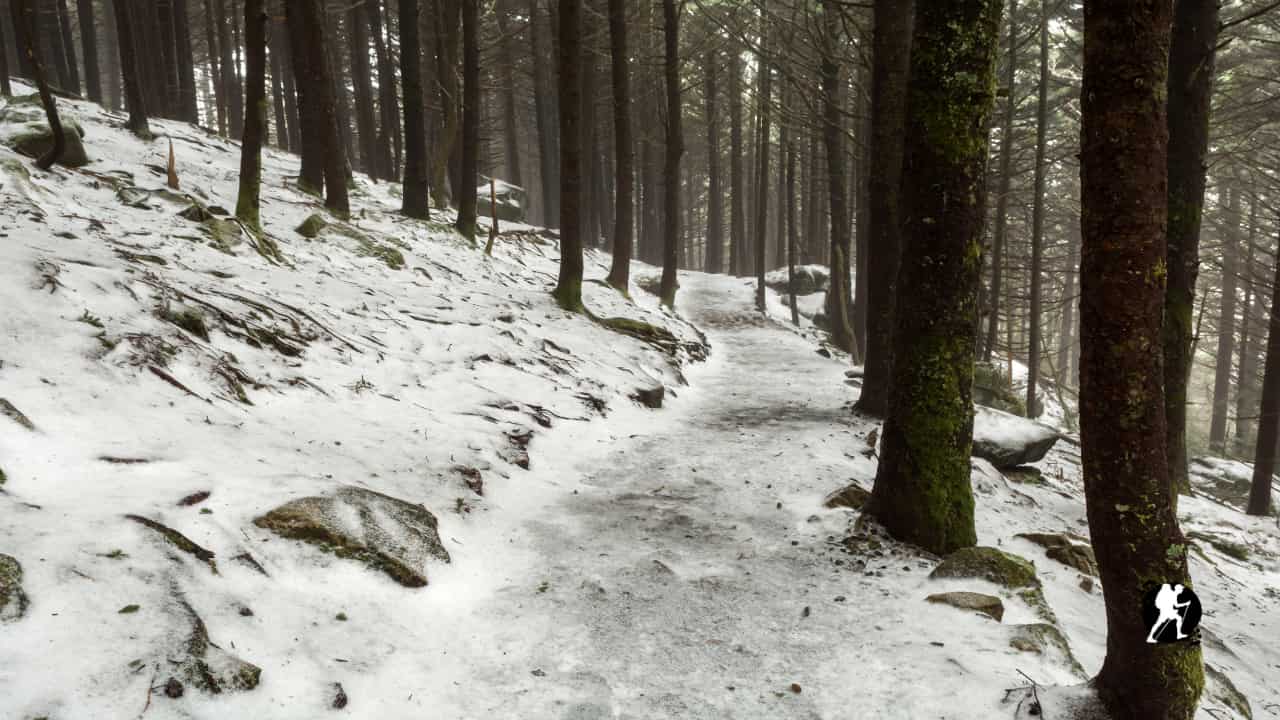
The AT is a wet trail where weather changes rapidly. Georgia can swing from sunny 60-degree days to sleet and snow within hours. This pattern of rapid shifts continues along the entire trail, making preparation essential regardless of when you start.
Temperature extremes matter more than most beginners realize. Starting early means below-freezing nights, potential snowstorms, and ice on the trail. Starting late means racing against Katahdin’s October closure while managing summer heat and afternoon thunderstorms. Precipitation comes in every form: rain, sleet, snow, and ice are all possibilities depending on your timing and location. Water crossings become dangerous during spring runoff, and hypothermia remains a risk even in warmer months when you’re soaked and exposed to wind.
Gear Requirements by Season
Your start date directly determines your gear list. Early starters need true winter gear: a sleeping bag rated to 20°F or lower, possibly a four-season shelter, multiple insulation layers, microspikes for ice, and a cooking system that works in freezing conditions. This means a heavier pack but also staying safe when conditions turn severe.
Later starters can use three-season gear, significantly reducing pack weight. However, you’ll still need cold-weather layers for high-elevation sections and chilly nights, even into late spring. Don’t trust untested gear on a thru-hike. Your equipment should be proven and durable, especially if you’re starting early when gear failure could be life-threatening.
Trail Community and Services
The social experience of your thru-hike changes dramatically with your start date. Starting in March or April means joining the bubble, a large group of hikers moving north together. This brings daily encounters with other hikers, shared shelters and campsites, trail magic, and a strong community atmosphere. Trail towns are fully staffed and stocked during peak season, hostels have open beds, and shuttle services run regularly.
Starting outside peak season offers solitude but requires more self-reliance. You’ll encounter fewer hikers, sometimes going days without seeing another person. Trail magic becomes rare, and some trail town services operate on reduced hours or close entirely. You’ll need to be more resourceful with resupply and transportation.
Northbound Start Dates: Georgia to Maine
About 81% of AT thru-hikers go northbound, starting in Georgia and finishing at Katahdin in Maine. Recent data shows the most popular planned start dates are March 1st and March 15th, though hikers leave from January through May.
January and February: Winter Expedition Territory
Starting this early means committing to a winter expedition, not just a thru-hike. You’ll face frequent snowstorms, ice, sustained below-freezing temperatures, and potential multi-day weather events that trap you in shelters or towns.
Before choosing an early start, honestly assess your readiness. Do you have winter hiking experience with consecutive long days in harsh conditions? Is your sleep system rated for sustained use below 0°F? Can your shelter, clothing, and cooking system handle prolonged winter camping? Do you know how to navigate ice, deep snow, and winter trail conditions safely?
The benefits are real but require serious preparation. You’ll have the trail largely to yourself with minimal crowds and potential for stunning winter landscapes. However, trail towns have limited hours and stock, businesses aren’t expecting hikers yet, and you could go days between seeing another person. Emergency help takes longer to arrive in winter, and you need to be prepared to self-rescue or wait out dangerous conditions.
March and April: Peak Season
By mid-February the worst of winter has typically passed, making March and April the most popular start window. April offers the best balance for most hikers: cold weather is still possible but becomes the exception rather than the rule, snow is less frequent and melts faster, and trail infrastructure is fully operational.
This timeframe brings the full social experience of the AT. You’ll hike with the bubble, meeting dozens of other thru-hikers daily. Trail magic appears regularly, hostels and shuttles run on full schedules, and trail towns are staffed and stocked for the influx of hikers. This community support makes the trail more forgiving for first-time thru-hikers.
If you want to avoid the most crowded sections while keeping the benefits of peak season support, start in late March. You’ll skip some of the college spring break crowds while still having plenty of hikers around for safety and social connection.
May and Later: The Tight Timeline
Starting in May brings warmer weather and lighter pack requirements. You can leave the heavy winter sleeping bag at home and reduce your insulation layers, making for faster hiking. However, you’re now on a tight timeline.
Katahdin’s trails close by mid-October. Based on recent years, trail closures have occurred between October 14th and October 21st depending on weather conditions. Baxter State Park’s camping season ends October 15th, though the park advises hikers to arrive before October 1st as weather can close trails earlier.
Starting in May means you need to average 14-15 miles per day with minimal zero days to finish before closure. This pace doesn’t allow much flexibility for injuries, bad weather, or simply enjoying the trail. You’ll encounter fewer hikers the later you start, sometimes experiencing days of solitude. Trail support remains available but begins to thin out as the season progresses.
Southbound Start Dates: Maine to Georgia
Southbound hiking represents about 19% of thru-hikers but offers unique advantages for those willing to accept the challenges. The biggest constraint is that Katahdin trails typically don’t open until late May, with recent years seeing opening dates between late May and mid-June depending on snow and ice conditions.
June and July: Starting with Maine
The southbound thru-hike generally starts between late May and mid-July, once Baxter State Park opens. This timing forces you to tackle the most physically demanding section of the entire trail right at the start, before your body has adapted to thru-hiking.
Southbound hikers face unique challenges from day one. The trail is fresh out of winter with extensive blowdowns from fallen trees, water crossings swollen with snowmelt and runoff, potentially ice-cold fords that risk hypothermia, and minimal trail traffic meaning slower trail maintenance.
Maine and Vermont’s bugs are horrendous in early summer. Black flies, mosquitoes, and no-see-ums make life miserable. Daily tick checks become essential as Lyme disease risk peaks in these warm months.
You’ll be hiking against the grain of trail infrastructure. Shuttle services are scarce, requiring more hitchhiking. Hostels are just opening or not yet at full capacity, and trail magic is rare since locals aren’t expecting southbound hikers yet. Many southbound hikers drop out before reaching Caratunk, unable to handle the physical demands without the gradual conditioning that northbound hikers receive.
August and Later: Winter Concerns
Starting this late brings additional concerns about finishing before severe winter weather hits the South. While Springer Mountain doesn’t officially close, the 5,000-6,000 foot mountains of North Carolina and Tennessee become dangerous in winter conditions. You need solid cold-weather gear and experience to finish safely if conditions turn.
By late summer, you’ll start encountering northbound hikers, creating more social opportunities mid-trail. However, trail town support in the South begins to dwindle after the traditional thru-hiking season ends, meaning fewer services and reduced operating hours.
Flip-Flop Hiking: Maximum Flexibility
Flip-flopping lets you cherry-pick the best aspects of both directions on a schedule that works for you. The traditional flip-flop starts northbound from Harpers Ferry in early May, reaches Katahdin by late summer, then returns to complete the southern section in fall.
This approach offers significant advantages: starting in mild weather, flexibility for slower hikers or late starters, avoiding the worst crowds in any single section, and more time to complete the trail. The downsides include logistical complexity with multiple trail starts, increased transportation costs, and the mental challenge of not hiking the trail as one continuous journey.
Choosing Your Best Start Date
For most first-time thru-hikers, a northbound start in late March or April provides the best balance. You’ll have decent weather, full trail support, and a strong community of fellow hikers while avoiding the worst winter conditions.
However, the truly best time to start is when your life allows it and when you’re adequately prepared for the challenges that start date brings. An experienced winter hiker might thrive on a February start, while someone who values solitude might prefer starting in May despite the tighter timeline.
Key Factors to Consider
Your cold-weather hiking experience and comfort level matters significantly. Whether you prefer community or solitude on the trail will shape your ideal start window. Your physical conditioning and ability to handle high mileage determines whether a compressed timeline works for you. Available time off work or other obligations sets hard boundaries. Your budget for gear appropriate to your start date’s conditions also plays a role.
Remember that no matter when you start, success on the AT comes down to preparation, mental resilience, and the ability to adapt to whatever the trail throws at you. Research your chosen timeframe thoroughly, get the right gear, train appropriately, and stay flexible in your plans. The Appalachian Trail will be there waiting for you when the time is right.