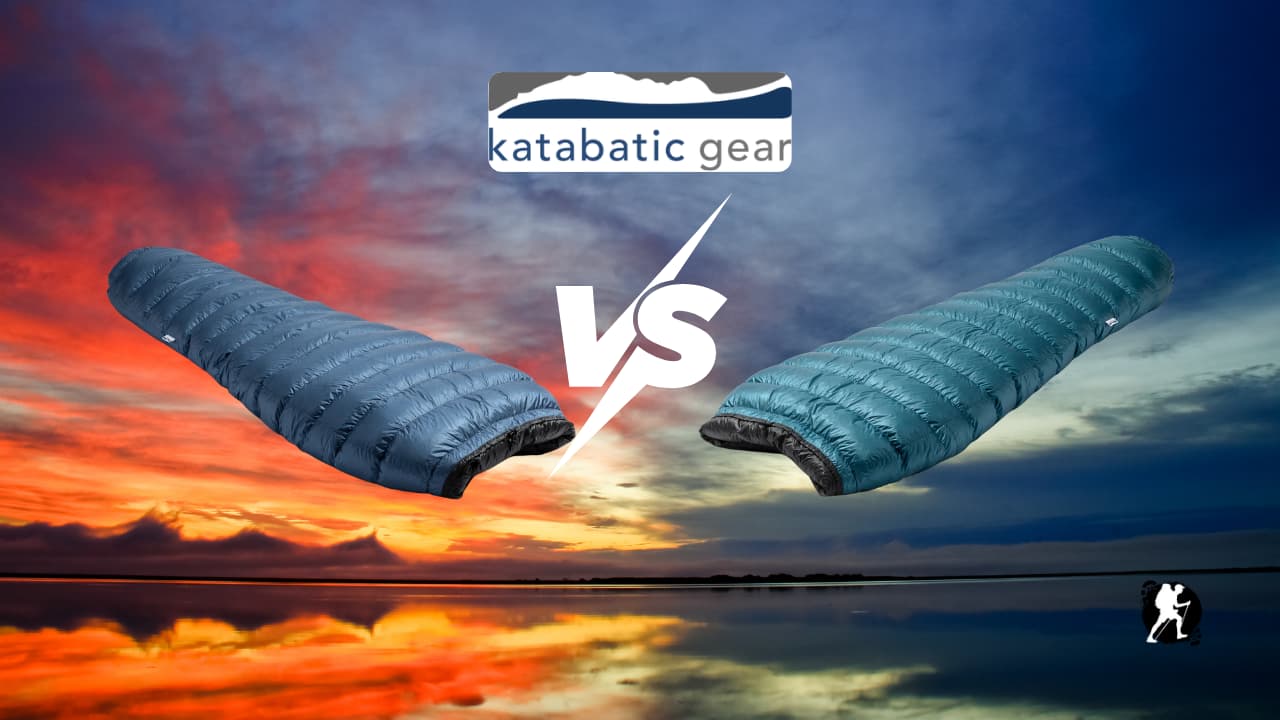
A thru-hiker’s quilt choice truly boils down to one thing: temperature expectations and needs. The Flex 22 hits around 32°F comfort, perfect for summer nights when you’re not freezing. The Flex 15? That’s the overachiever. More insulation, colder elevations, heavier pack. Here’s the real question: what’s actually going to keep you sane when June rolls around?
Understanding Quilt Specifications
The Flex 22 weighs between 21 and 28 ounces depending on size and down type. You can choose between 900FP goose down, 900FP HyperDRY goose down, or 850FP HyperDRY duck down. All options are responsibly sourced and high quality.
The Flex 15 pushes roughly 24 to 30 ounces with the same down options. The Flex 15 weighs less than 2 pounds and provides genuine warmth down to 15°F.
Key features both models share:
- Horizontal baffles allow you to push fill towards the center on cold nights or to the sides on warm nights
- A zipper runs about 1/3 the length of the footbox for temperature control
- The pad attachment system uses two 2mm cords with clip-in points at shoulder and hips
- Down-filled collar that seals around your neck
- Differential cut design that maximizes loft
The catch? Like many small manufacturers, Katabatic quilts are not EN tested. The 22°F rating is more of a “lower limit” than a “comfort” rating, so add about 10°F for realistic comfort.
Elevation Matters More Than You Think
Elevation is the silent killer of gear decisions, and thru-hikers obsess over it for good reason.
Appalachian Trail: Elevation stays between 120 and 6,000 feet, with most ridgelines lounging around 3,000 to 3,500 feet. Comfortable. Almost boring.
Pacific Crest Trail: Then you hit the West. Sierra Nevada segments range from about 8,000 to 11,500 feet. The PCT’s elevation range spans 140 to 13,000 feet at Forester Pass. Cascades sit between 3,000 and 7,000 feet, somewhat reasonable.
Continental Divide Trail: The average elevation of Colorado is 11,000 feet. Colorado throws 127,000 feet of elevation gain at you across nearly 700 miles. The CDT through the Rockies maintains 8,000 to 12,000 feet of sustained punishment. Colorado and Wyoming throw exposed high plateaus at you like unwelcome party favors.
The pattern’s clear: where you hike dictates your quilt choice. At higher elevations where sub-freezing temperatures are common, quilts with superior insulation become essential for maintaining warmth throughout the night.
Tents vs Shelters: What Actually Matters
Uninsulated shelters are drafty disasters. Gaps in walls, floors, and open fronts create heat loss that would make any tent jealous. Interior temps track within 5 to 10°F of outside air. Wooden platforms conduct cold like they’re trying to steal body heat.
The real win? shelters typically eliminate wind and precipitation. That’s it.
For quilts, the difference means:
- Tents trap dead air better than cabins
- Shelters require serious sleeping pad R-value (minimum 4.0 in cold weather)
- Either location demands proper pad attachment to prevent drafts
- HyperDRY down provides superior loft retention in humid environments
Most thru-hikers sleep in their own tents most nights anyway, which means the real test comes down to what the trail throws at you.
Trail-Specific Quilt Selection
Different trails demand different quilts. Here’s the reality:
Eastern Trails (AT):
- The AT is notoriously rainier than the PCT
- Persistent moisture and condensation make water-resistant down valuable
- The humidity and amount of rain is totally different compared to the other two trails
- Night lows during summer: typically 40 to 60°F at mid-elevations
Western High Elevations (PCT/CDT):
- The High Sierra nearly always means snow for hikers
- Mid-summer nights regularly dip below freezing
- The amount of elevation gain in such a short span will test your hiking abilities
- Alpine zones create brutal wind chill effects that lower functional ratings
Your sleeping pad’s R-value rating directly impacts warmth retention on cold nights, so factor insulation underneath into your quilt selection equation.
The 22°F works for typical three-season thru-hikes. But shoulder-season starts? Early spring? Late fall? That’s where the 15°F earns its weight penalty.
The June Through September Sweet Spot
The sweet spot for most three season thru-hikers? A 22°F quilt. Seriously.
54% of AT hikers chose quilts in the 20 to 29°F range. June through September on the AT, PCT, and CDT typically mean night lows hovering between 30 and 60°F at mid-elevations. The Flex 22 handles this range beautifully.
High-elevation routes throw occasional curveballs: frost in the Sierra, San Juans, even July nights dipping into the 20s. That’s annoying but rare.
The goldilocks choice: A three-season 22 to 30°F quilt genuinely covers summer hiking without dragging unnecessary ounces. The Flex 22 stays under two pounds. You’re not sacrificing warmth or packability.
Resupply Strategy and Gear Swaps
When resupply towns dot a thru-hike route, the quilt choice shifts from pure survival to smart logistics.
Key factors for town-based thru-hikes:
- Short food carries (3 to 4 days) allow weather-window timing, making Flex 22 viable when nights stay above mid-20s°F
- Drying opportunities at hostels and motels help either quilt recover, though Flex 22’s lighter fill dries faster
- For hikers who swapped sleep systems, it was most common to switch to something in the 40 to 49°F range as summer warmed up
- Elevation between towns keeps overnight camps colder than town forecasts suggest
Major resupply infrastructure includes:
- Full-service supermarkets enabling bulk purchases for 3 to 7 day intervals
- Mail-drop and general delivery systems for pre-planned resupply boxes
- Hiker-focused hostels with shuttle services and laundry facilities
- Outfitters stocking quilts, sleeping pads, and repair materials for mid-hike upgrades
Routes with frequent indoor recovery strongly support Flex 22’s lighter weight and packability. But sparse lodging? That’s when Flex 15’s 15°F rating stops being overkill and becomes genuinely comforting.
Water and Trail Conditions
Major trail corridors typically serve up water every 3 to 7 miles through streams, springs, and lakes. Established routes have solid water notes in apps and guides marking everything from piped springs to shelter spigots.
Water strategy basics:
- Popular trails hit road crossings and campgrounds regularly, letting hikers carry just 1 to 2 liters between sources
- Hot, exposed ridges get flagged as genuine dry sections requiring 15 to 25 mile carries
- Water carries can be more than you’re used to in dry years
- Spring snowmelt pumps reliability; drought years wreck it
In arid regions, agencies maintain guzzlers and stock tanks as mapped resupply points. Volunteer caches exist but shouldn’t anchor your entire plan.
The Final Word: Making Your Choice
Choose the Flex 22 if:
- You’re hiking June through September on established trails
- Night temps will stay consistently above 25°F
- You have frequent town access for drying and recovery
- Every ounce matters for your hiking style
- You’re a warm sleeper who layers well
Choose the Flex 15 if:
- You’re tackling shoulder seasons (early spring or late fall)
- Your route includes sustained high elevation (8,000+ feet)
- You sleep cold or want a safety margin
- You’re hitting the CDT through Colorado or Wyoming
- Weather windows are unpredictable
Critical considerations for both:
- Invest in a quality sleeping pad with R-value 4.0 or higher
- If you backpack in wet, rainy conditions often, get the water-resistant HyperDRY down
- Sizing up in length and width can offer additional warmth and coverage, especially when wearing bulky extra clothing
- Learn to use the pad attachment system properly
- Carry a warm hat, gloves, and down coat with hood for unexpected cold
Remember: For temperatures consistently at 20°F or below, consider a mummy bag instead of a quilt as they hold warmth more reliably.
Trail selection literally determines which quilt keeps you alive. Choose accordingly.