
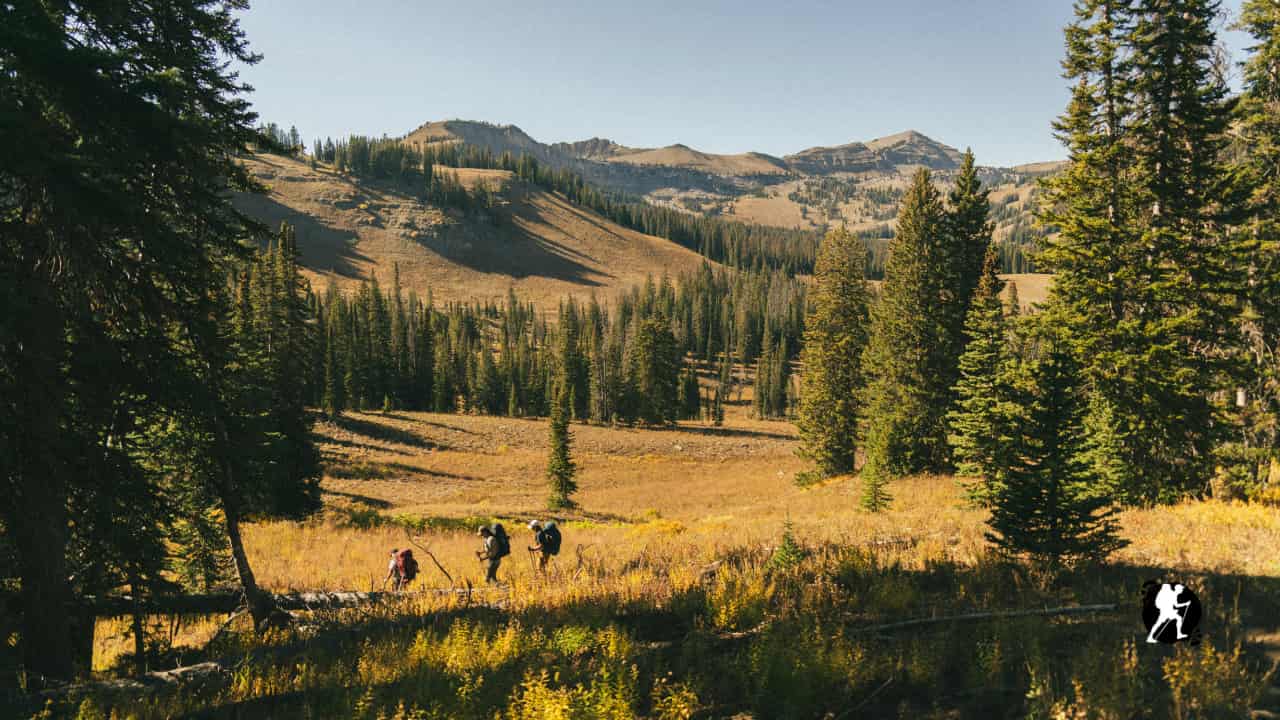
Thru-hiking is one of the most rewarding and challenging adventures you can undertake. It’s the act of hiking an entire long-distance trail from end to end in one continuous journey, typically covering hundreds or thousands of miles over several months. But what makes it so difficult, and why do thousands of people attempt these epic journeys every year?
The truth is that thru-hiking is both physically and mentally demanding. You’ll push your body further than you thought possible, face unpredictable weather, and spend months away from the comforts of everyday life. Yet the experience transforms people in profound ways, offering a unique combination of challenge, simplicity, and connection with nature that few other experiences can match.
What Makes Thru-Hiking Challenging?
Understanding the difficulty factors will help you prepare mentally and physically for what lies ahead.
Distance and Duration
The sheer length of time on trail is one of the biggest challenges. Popular thru-hikes like the Appalachian Trail (2,190 miles) or Pacific Crest Trail (2,650 miles) take 4-6 months to complete. You’ll be walking day after day, covering anywhere from 15-25+ miles daily, often carrying a 20-30 pound pack.
This sustained effort requires building not just physical endurance, but mental resilience. The repetitive nature of walking all day, every day, can become monotonous. Your body will adapt and grow stronger, but you’ll also face fatigue, soreness, and the psychological challenge of maintaining motivation for months at a time.
Physical Demands
Thru-hiking is a full-body workout that lasts for months. You’ll be:
- Carrying a weighted pack for 8-12 hours per day
- Navigating uneven terrain, rocks, roots, and obstacles
- Climbing thousands of feet in elevation gain daily
- Walking in heat, cold, rain, and sometimes snow
Your feet will take a beating. Blisters, bruises, and general foot pain are nearly universal experiences. Many hikers find that their feet actually grow a half size or more during a thru-hike due to the constant impact and swelling.
The good news? You don’t need to be an athlete to start. Most successful thru-hikers get in shape on the trail itself. What matters more is your determination to keep going when things get tough.
Mental Challenges
Many thru-hikers say the journey is 70% mental, 30% physical. The mental challenges include:
- Loneliness and isolation, especially on less-traveled trails or during shoulder seasons
- Homesickness and missing important life events back home
- Decision fatigue from constant choices about pace, resupply, weather, and more
- Monotony of the daily routine, even in beautiful surroundings
- Self-doubt during low moments when your body hurts and the miles seem endless
These mental hurdles are often what determine who finishes and who goes home early.
Weather and Seasons
You’ll experience the full spectrum of weather conditions over months of hiking. Early season hikers might face snow and freezing temperatures. Summer brings intense heat and afternoon thunderstorms in many regions. Fall can deliver early winter storms and rapidly changing conditions.
Weather can turn dangerous quickly in the mountains. You’ll need to understand how to read weather patterns, when to push through discomfort, and when conditions require getting off the mountain or taking a zero day.
Trail Conditions and Terrain
Each trail has its own character and challenges:
- Rocky, technical terrain (like Pennsylvania on the AT) that’s tough on feet and slows your pace
- Steep elevation changes that test your cardiovascular fitness and mental grit
- River crossings that can be dangerous in high water conditions
- Exposure to elements above treeline where there’s no shelter from sun, wind, or storms
- Remoteness where help could be days away in an emergency
Logistics and Resupply
Unlike a weekend backpacking trip, thru-hiking requires managing logistics for months. You’ll need to:
- Plan resupply strategies in towns every 3-7 days
- Navigate small trail towns with limited services
- Manage your budget over months without regular income
- Handle gear failures and replacements on the trail
- Deal with mail drops, packages, and coordination with people back home
What Draws People to Thru-Hiking?
Despite these challenges, or perhaps because of them, thru-hiking attracts people from all walks of life. So what’s the appeal?
Simplicity and Freedom
Thru-hiking strips life down to essentials. Your daily concerns become remarkably simple: walk, eat, sleep, repeat. There are no emails to answer, no meetings to attend, no obligations beyond putting one foot in front of the other. This simplicity is profoundly liberating.
Personal Growth and Discovery
The challenges of the trail become a mirror for self-discovery. You’ll learn what you’re truly capable of, how you respond to adversity, and what actually matters to you. Many thru-hikers describe the experience as transformative, saying they “found themselves” on the trail.
Trail Community
The “trail family” or “tramily” culture is one of the most beloved aspects of thru-hiking. You’ll form deep bonds with fellow hikers who are sharing the same struggle and triumph. The trail community is remarkably supportive, with hikers helping each other through tough times and celebrating milestones together.
Trail magic, or unexpected acts of kindness from hikers and non-hikers alike, reminds you of human generosity and creates unforgettable moments.
Connection with Nature
Spending months immersed in nature creates a deep connection with the natural world that’s impossible to achieve in shorter trips. You’ll witness landscapes change with the seasons, develop an intimate knowledge of the ecosystem you’re walking through, and experience the raw beauty of wilderness in a way few people ever do.
Accomplishment
Completing a thru-hike is a massive achievement. It requires dedication, perseverance, and months of hard work. Reaching the end gives you a profound sense of accomplishment and confidence that carries into other areas of life.
Escape and Reset
For some, thru-hiking is a chance to step away from a difficult life situation, a career change, a breakup, loss, or simply feeling stuck. The trail offers time and space to process, heal, and return to regular life with fresh perspective and renewed energy.
Is Thru-Hiking Right for You?
Only 20-30% of people who start a thru-hike actually finish, not because they can’t physically do it, but because of the combined physical, mental, and logistical demands.
That said, you don’t need to be superhuman to thru-hike. You need:
- A willingness to be uncomfortable for extended periods
- Mental flexibility to adapt when things don’t go as planned
- Enough physical fitness to start (the trail will build the rest)
- Time and financial resources to commit several months
- A genuine desire to be out there, even when it’s hard
The difficulty of thru-hiking is real, but so are the rewards. If you’re drawn to the idea, if you can’t stop thinking about it, if the challenge excites rather than terrifies you, that’s often a sign you should give it a try.
Every thru-hiker started as a beginner with doubts and questions. The trail is waiting, and the only way to know if thru-hiking is for you is to start walking.