This website uses affiliate links which may earn a commission at no additional cost to you. As an Amazon Associate I earn from qualifying purchases.
If you’re new to ultralight backpacking and researching shelters, the Zpacks Plex Solo probably looks nothing like the dome tents you grew up with. There’s no poles included, the price tag makes your eyes water, and experienced hikers seem to either worship it or warn against it with equal passion. As someone looking to lighten your pack for your first thru-hike, you need straight answers about whether this minimalist shelter actually makes sense for beginners working within a budget.
What Makes the Plex Solo Different from Traditional Tents
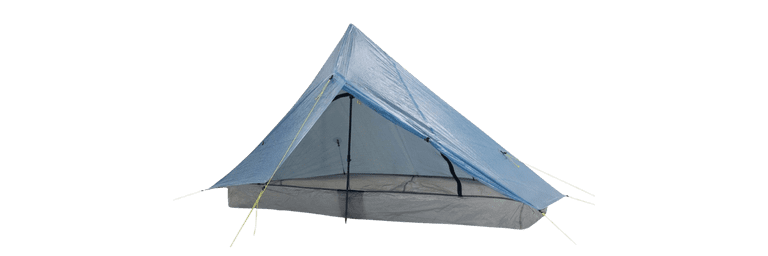
Traditional backpacking tents are freestanding structures with built-in poles and separate rainflies. The Zpacks Plex Solo abandons these conventions entirely. It’s a single-wall tarp tent that uses your trekking poles as structural support and requires careful staking to maintain its shape.
The weight difference is dramatic. A typical budget tent weighs 3 to 5 pounds. The Plex Solo comes in at 13.8 ounces. You’re saving roughly 2.5 to 4 pounds. For thru-hikers covering 15 to 25 miles daily, that translates to less knee strain, reduced fatigue, and the ability to carry more food between resupply points.
However, this minimalism demands more from you. You need trekking poles (adding cost if you don’t already use them), proper site selection skills, and comfort with a learning curve. Your first few attempts in the dark after a long hiking day will test your patience. The Plex Solo doesn’t pitch itself.
The Setup Learning Curve: What Beginners Need to Know
The Plex Solo uses a single trekking pole positioned at the head end, creating a pyramid shape. Setup involves staking the rear corner first, positioning your pole through the peak grommet, then working around the perimeter to create proper tension. Without correct tension, the shelter sags, flaps in wind, or collects water.
Your first setup might take 15 minutes. By your tenth night, you’ll have it dialed to under 5 minutes. The DCF fabric doesn’t stretch like nylon, so stake placement must be precise. Too loose creates noise and billowing. Too tight risks stressing seams.
Inside, you’re working with approximately 28 square feet of floor space that tapers from head to foot. That’s enough for a single sleeping pad, sleeping bag, and your pack. The peak height gives you sitting headroom at the entrance, but the tapered design means you’re crawling into bed. This isn’t a shelter where you cook inside or lounge during rain days.
Real-World Performance: The Condensation Reality
Here’s what manufacturers won’t emphasize: single-wall shelters create condensation issues. Your body releases moisture through breathing and perspiration. In the Plex Solo, this condenses directly on the DCF interior walls. On humid nights or in sheltered campsites with poor airflow, you’ll wake to water droplets on your shelter walls.
Managing this requires technique. You need to camp in locations with airflow, keep your sleeping bag away from walls, and may need to wipe down interior condensation during the night on particularly humid evenings. In cold weather camping, this becomes more dramatic—frost on interior walls that melts and drips as temperatures rise.
The shelter performs impressively in heavy rain when pitched correctly. Water runs off DCF immediately, and the tapered shape prevents pooling. However, the lack of vestibule space means you’re bringing wet gear directly into your sleeping space with no dry area for cooking or organizing equipment.
Wind performance depends entirely on your guy line management. The pyramid shape is inherently stable, but you’ll use all six included guy line points in exposed locations. The DCF fabric amplifies sound, so wind creates more noise than in silnylon tents.
The $599 Question: Budget Reality Check
The Zpacks Plex Solo retails for approximately $599. Basic three-season tents run $200 to $350. You’re paying roughly double for the ultralight option.
For a 2,000+ mile thru-hike covering 4 to 6 months, the weight savings compounds daily. Carrying an extra 3 pounds means roughly 6 pounds of additional force on your knees with every step. Over thousands of miles, the Plex Solo pays for itself in reduced injury risk and faster mileage capability.
However, if you’re weekend backpacking with occasional week-long trips, the calculation changes. You’re carrying that heavier tent for maybe 30 to 40 nights per year. The budget tent’s extra features—vestibules, freestanding design, easier setup—might serve you better while learning.
Consider the total system cost. The Plex Solo requires trekking poles (add $100-$300), benefits from a quality groundsheet (add $60-$80), and works best paired with ultralight sleeping systems. You’re not just buying a shelter; you’re committing to an ultralight system philosophy.
DCF is strong for its weight but doesn’t stretch or recover from abrasion like nylon. A sharp stick or careless moment can create holes. For beginners still developing campsite awareness, that fragility adds stress.
When to Choose Alternatives Instead
Several scenarios suggest looking elsewhere, at least for starting out:
If you’re completely new to backpacking, freestanding tents from REI, Big Agnes, or Nemo give you more margin for error. They pitch easily on various surfaces, forgive setup mistakes, and provide features that make learning comfortable.
For heavily forested areas with limited clearing space, the Plex Solo’s stake requirements become problematic. Root systems and rocky soil frustrate stake placement, and the lack of freestanding capability means you can’t use packed-down tent platforms.
Budget alternatives worth considering: TarpTent ProTrail Li ($429, similar design), Six Moon Designs Lunar Solo ($200-$265, heavier but much cheaper), or flat tarp setups ($80-$150, requires most skill but ultimate weight savings).
The smart beginner strategy might be buying a $200 tent now, hiking 500 miles to understand your preferences, then investing in the Plex Solo as a targeted upgrade. This costs more overall but reduces the risk of expensive buyer’s remorse.
Make the Right Choice for Your Hiking Reality
Buy the Plex Solo if you’re committed to thru-hiking or ultra-distance trails, willing to invest time learning proper setup, and prepared to manage condensation trade-offs. Buy it if you already use trekking poles and appreciate minimalist gear that rewards technique development.
Consider waiting if you’re still experimenting with backpacking style, if the $599 investment creates financial stress, or if you primarily hike where site selection is limited. There’s no shame in starting with more forgiving gear and graduating to ultralight once you understand what you actually need.
Your first shelter doesn’t need to be your permanent shelter. Many experienced hikers own multiple shelters for different conditions. The Plex Solo might be your thru-hiking shelter paired with a budget tent for casual trips, or the upgrade you buy after your first 500 miles.
The right shelter keeps you comfortable enough to want to hike more miles tomorrow—not the one that looks best in gear reviews or shaves the most ounces from your base weight. Get out there, start hiking, and let your actual trail experience guide your gear evolution.