This website uses affiliate links which may earn a commission at no additional cost to you. As an Amazon Associate I earn from qualifying purchases.
The right puffy jacket can be the difference between shivering through a cold camp and sleeping comfortably after a long day on trail. For thru-hikers, that means finding the sweet spot where warmth meets ultralight weight without sacrificing durability or weather resistance. The best options weigh between 6 and 15 ounces, pack down to nothing, and use high fill power down or innovative hybrid insulation. We’ve dug in and tested these jackets on long-distance trails to find which ones actually deliver when temps drop and conditions turn nasty.
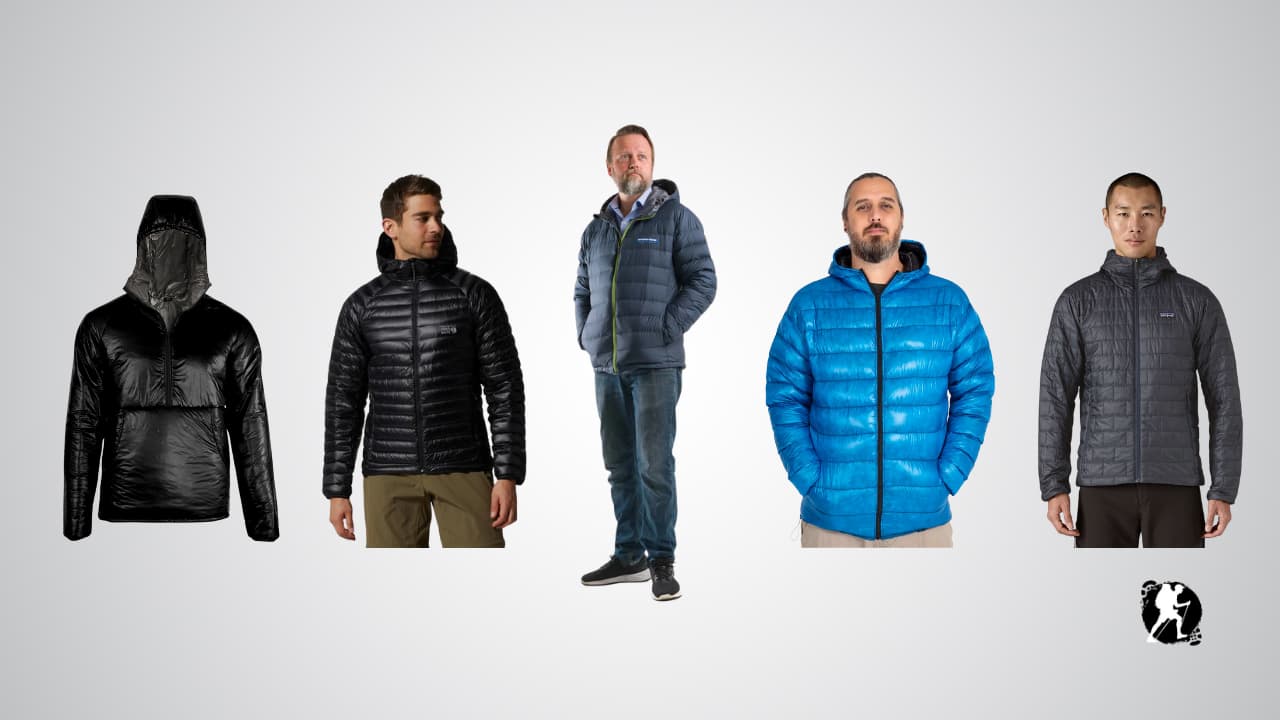
Quick Comparison
- Mountain Hardwear Ghost Whisperer UL Hoody: 6.7 oz, $450 – Lightest with premium 1000-fill down
- Zpacks Down Jacket: 6.8 oz (medium), $375 – Best warmth-to-weight with 900-fill muscovy duck down
- Enlightened Equipment Torrid Pullover: 8.09 oz (medium), $200 – Best value synthetic with unique marsupial pouch
- Outdoor Vitals NovaPro: 12 oz (medium), $210 – Best moisture resistance with hybrid DownLT insulation
- Patagonia Nano Puff Hoody: 12.8 oz, $289 – Best synthetic for wet conditions and versatility
- Feathered Friends Eos: 11.8 oz, $409 – Handcrafted Seattle quality for extreme cold
- Katabatic Gear Tarn: 10.6 oz, $279 – Ultralight with 850+ ExpeDRY down
Our Top Picks Detailed
Mountain Hardwear Ghost Whisperer UL Hoody
Best for: Gram counters who refuse to compromise
Price: ~$450
Weight: 6.7 oz (medium)
Fill: 1000-fill RDS-certified goose down
The Ghost Whisperer UL represents the pinnacle of ultralight design. At 6.7 ounces, it’s built for alpine missions where every ounce matters. The 1000-fill down is among the highest quality available, using only premium plumes for maximum loft. The 7D ripstop fabric is delicate but surprisingly durable when treated with care. This jacket packs into its own hand pocket and comes with an internal carabiner clip loop. The hood, cuffs, and hem are adjustable, though the elastic cuffs lack manual cinching. Standard fit runs true to size without restricting movement. Available in State Orange, Blue Slate, and Black (S-XXL). Mountain Hardwear backs it with a lifetime warranty. For thru-hikers chasing ultralight setups, this delivers, but the price stings and the fabric demands careful handling.
Pros: Industry-leading weight, premium 1000-fill down, excellent packability
Cons: Fragile 7D fabric, expensive, limited features, hood adjustment could be better
Zpacks Down Jacket
Best for: Maximum warmth-to-weight ratio
Price: ~$375
Weight: 6.8 oz (medium)
Fill: 900-fill RDS-certified muscovy duck down
The Zpacks Down Jacket delivers ridiculous warmth for its weight. With 3.4 oz of 900-fill hydrophobic down in the medium size, half the jacket’s weight is pure insulation. That’s an unmatched ratio. The cut runs longer than most jackets, falling to mid-butt with sleeves long enough for taller hikers. The Ventum ripstop nylon shell is DWR-treated and breathable, though it’s 7D fabric that needs care. Features include a zippered interior chest pocket that doubles as a stuff sack, non-zippered hand pockets (lighter and comfier but not super secure), and adjustable hood and hem. The jacket was updated in late 2025 to use muscovy duck down instead of goose. Sizes run S through XXL with weights from 6.1 oz (small) to 8.8 oz (XXL). For backpackers who obsess over every ounce while needing serious warmth at camp, this is tough to beat.
Pros: Exceptional warmth-to-weight, longer cut, good breathability, packs tiny
Cons: Delicate fabric, open hand pockets not secure, unisex fit may not work for all body types
Outdoor Vitals NovaPro Jacket
Best for: Wet conditions and active use
Price: ~$250
Weight: Under 15 oz (14.5 oz reported for medium)
Fill: 850-fill HyperDry down blended with synthetic
The NovaPro solves the biggest problem with ultralight down jackets: moisture. The proprietary DownLT insulation combines 850-fill HyperDry down with synthetic fibers, staying lofted and warm even when soaked. The Nova Zero Stitch fabric literally weaves baffles into place rather than sewing them, eliminating 10,000 potential failure points and water entry spots. That means no stitches to snag or leak insulation. The 20D DWR-treated shell is tougher than 7D alternatives while remaining lightweight. Features include pit zips (rare for puffy jackets), thumb holes, a drop-back hem, YKK zippered side pockets, and a 2-way adjustable hood. The jacket stuffs into its own pocket and the high collar zips to your chin. The fit runs athletic and slim, sized for a base layer plus one mid-layer underneath. About 30% of buyers size up. This jacket excels for three-season use when weather turns unpredictable.
Pros: Stays warm when wet, innovative stitchless construction, pit zips for temp control, great price
Cons: Heavier than pure ultralight options, athletic fit may require sizing up, slightly less packable
Feathered Friends Eos Down Jacket
Best for: Backpacking and extreme cold reliability
Price: ~$409
Weight: 11.8 oz
Fill: 900+ Goose Down
Purchase From Feathered Friends
Handcrafted in Seattle and built to order (8-12 day lead time), the Eos represents old-school quality. At 11.8 ounces, this is an amazing ultralight option when warmth matters. The closer-to-body fit works as an outer layer in mild temps or slides under a shell when winter hits hard. Seven color choices available from Steel Gray to Rorange. Maintenance is straightforward: machine wash regularly, skip the dry cleaner. This jacket shines for winter thru-hikers, shoulder season section hikers, or anyone who needs bombproof warmth and doesn’t mind carrying extra weight. The hand-crafted construction means quality control that matters when everything else is falling apart 800 miles in.
Pros: Hand-crafted quality, versatile layering, seven color options, proven durability
Cons: Heavy for thru-hiking, fill power not specified, expensive, long production time
Katabatic Gear Tarn Down Jacket
Best for: Budget-conscious ultralight enthusiasts
Price: ~$279.00
Weight: 10.6 oz
Fill: 850+ fill ExpeDRY down (RDS-certified)
The Tarn uses 850+ fill ExpeDRY water-resistant down wrapped in recycled Pertex fabrics that clock in at barely over an ounce per square yard. You get zippered hand warmers, internal drop pockets, and a drop tail hem that covers your backside when reaching for tent stakes. The fit was loosened for 2025, making layering less restrictive. Features include a two-way adjustable hood and adjustable drop tail hem. The ExpeDRY treatment helps the down resist moisture better than untreated alternatives. Fair warning: 31% of reviewers reported sizing issues, and there’s no wind baffle behind the zipper. Sizes now include XXL. For ultralight obsessives who refuse to freeze at camp but need to watch their budget, the Tarn delivers solid performance.
Pros: 850+ fill ExpeDRY down, recycled fabrics, improved fit for 2025, drop tail hem
Cons: Inconsistent sizing reported, no wind baffle on zipper, limited specifications available
Enlightened Equipment Torrid Pullover
Best for: Value-focused thru-hikers who want synthetic warmth
Price: $200
Weight: 8.09 oz (medium, 7D fabric)
Fill: 2 oz/yd² CLIMASHIELD APEX synthetic insulation
Purchase From Enlightened Equipment
The Torrid Pullover takes Enlightened Equipment’s best-selling Torrid Jacket and adds a marsupial pouch with a half-zip design. At 8.09 ounces for the medium in 7D fabric, it’s one of the lightest synthetic options available. The CLIMASHIELD APEX insulation stays warm when wet and dries quickly, making it more forgiving than down in humid conditions. The oversized marsupial pouch serves triple duty: warming cold hands, protecting electronics from cold, and storing snacks. Both sides of the pouch are insulated, making this slightly warmer than the full-zip Torrid Jacket. The half-length zipper provides ventilation without the weight of a full zipper. Raglan sleeves increase comfort and range of motion while eliminating sewn-through seams that create cold spots. The adjustable shock cord waist tucks inside the front pouch, and the adjustable hood cinches down in wind. Elastic cuffs seal out drafts. Fabric options include 7D (lightest at 6.76 oz for small), 10D (balanced durability and weight), or 20D (most durable). All fabrics use PFC-free C0 DWR finish. The mitten palm uses 70D ripstop nylon for durability around camp. Sizes run about a half size large for layering purposes. Made in Vietnam and inspected in Winona, Minnesota. At $200, this offers exceptional value for synthetic insulation, though the pullover design means you can’t fully open it for venting like a full-zip jacket.
Pros: Excellent warmth-to-weight for synthetic, unique marsupial pouch design, stays warm when wet, affordable, fabric options
Cons: Half-zip limits ventilation, pullover design less versatile than full-zip, synthetic doesn’t pack as small as down
Patagonia Nano Puff Hoody
Best for: Versatile three-season use and wet conditions
Price: $289
Weight: 12.8 oz (men’s medium)
Fill: 60g PrimaLoft Gold Insulation Eco (synthetic)
The Nano Puff Hoody is Patagonia’s legendary synthetic jacket, and it earns that reputation through reliable performance across diverse conditions. The 60g PrimaLoft Gold Eco insulation stays warm even when wet, making it more forgiving than down in damp environments. The 20-denier recycled polyester ripstop shell with PFAS-free DWR finish sheds light moisture while staying more durable than ultralight 7D fabrics. The latest version includes improved shoulder mobility and articulated elbows, addressing complaints from earlier models. The relaxed fit layers comfortably over base layers or under shells without restricting movement. The hood fits over a cap but runs on the closer side. Features include two zippered hand warmer pockets, an internal zippered chest pocket that doubles as a stuff sack with a carabiner loop, and a drawcord-adjustable drop-tail hem. The brick quilting pattern with horizontal side panels stabilizes insulation and resists abrasion. At 12.8 ounces, it’s heavier than ultralight down alternatives but lighter than many synthetics. The jacket packs to about cantaloupe size, which is decent but not exceptional. Made in a Fair Trade Certified factory from 100% recycled materials. The Nano Puff excels as a versatile piece that crosses from trail to town, though it’s not the warmest for its weight compared to premium down options.
Pros: Stays warm when wet, durable 20D fabric, versatile styling, improved mobility, ethical manufacturing
Cons: Heavier than ultralight alternatives, moderate warmth-to-weight ratio, less packable than down, expensive for synthetic
What Actually Matters When Choosing a Thru-Hiking Puffy
Weight and Packability
Every ounce counts on a long-distance hike. The best puffy jackets for thru-hiking weigh between 6 and 15 ounces depending on your warmth needs. You won’t wear it all day, just during breaks and at camp, so it needs to compress into something tiny that doesn’t eat up precious pack space. Look for 850+ fill power insulation because higher fill power means more warmth with less weight. The ultralight ripstop fabric keeps durability without bulk, and quality jackets compress to nothing then pop back up when needed.
Insulation Type: Down vs Synthetic vs Hybrid
Down crushes synthetic on warmth-to-weight ratio but becomes useless when wet. Traditional down with DWR treatment resists moisture better but still fails if soaked. Hydrophobic down like HyperDry stays functional longer in damp conditions. Hybrid insulation (like Outdoor Vitals DownLT) combines mostly down with synthetic fibers to maintain loft when wet while keeping weight low. Pure synthetic insulation works when damp but you’ll carry 2-3 extra ounces for that insurance. For most thru-hikers, high-quality hydrophobic down or hybrid insulation hits the best balance. Look for RDS certification to ensure ethical sourcing.
Weather Resistance Beyond DWR
DWR finish repels moisture but wears off over time. Materials like Pertex Quantum Eco Ripstop or Zpacks Ventum fabric shield insulation while maintaining breathability. Internal box wall construction blocks water penetration and prevents cold spots. The Outdoor Vitals Zero Stitch construction goes further by eliminating thousands of needle holes where water could enter. Adjustable hoods and hems aren’t fancy extras, they’re what seals out wind when conditions turn ugly. A loose hood lets cold air straight to your core.
Fit and Layering
Standard fit wins for thru-hiking because you need room for base layers and mid-layers when weather shifts. Some jackets fit closer to the body, which works as a mid-layer under your shell. Check center back length because longer means more coverage when moving. The drop tail hem found on jackets like the Tarn and NovaUL keeps your lower back covered when bending and reaching. Don’t guess on sizing, use manufacturer charts for chest, waist, and sleeve measurements. A jacket that bunches under your shell or rides up constantly becomes a problem you don’t need 500 miles in.
Durability for Long-Distance Use
A puffy that falls apart halfway through your hike isn’t just annoying, it’s potentially dangerous. Fabric weight between 7D and 20D balances protection with packability. The 7D fabrics in the Ghost Whisperer UL and Zpacks are incredibly light but demand careful handling. The 20D fabric in the NovaUL is tougher and more forgiving for rough use. Ripstop construction prevents small tears from spreading. Quality stitching and reinforcement at stress points matters as much as the materials. Some durability issues can’t be seen in specifications, check user reviews for real-world feedback on construction quality and longevity.
Features That Actually Get Used
Hood design separates mediocre from trail-worthy. Look for adjustable drawstrings, ideally two-way adjustment systems. Zippered hand warmer pockets aren’t optional, they keep hands warm and give quick access to snacks and phone. Internal drop-in pockets add storage without bulk. Pit zips on the NovaUL are rare for puffy jackets but invaluable for temperature regulation during active use. Thumb holes keep sleeves down and eliminate the gap between jacket and gloves. An internal zippered chest pocket that doubles as a stuff sack is practical for both storage and packing.
Temperature Range and Intended Use
Match your jacket to your specific trail and season. The Ghost Whisperer UL and Zpacks excel as camp layers and shoulder-season insulation but aren’t expedition jackets. The NovaUL handles three-season use including unexpected storms. The Feathered Friends Eos is for serious cold. Consider your layering system: if you’re carrying a fleece or wind layer, you can use a lighter puffy. If your puffy is your only insulation layer, size up on warmth. Your personal cold tolerance matters more than any temperature rating. What keeps one hiker toasty leaves another shivering.
Value and Investment
Premium ultralight jackets cost $375-$450. That’s steep, but you’re paying for specific features optimized for hiking: minimal weight, maximum packability, quality insulation, and thoughtful design. The NovaUL at $210 offers the best value for features including weather resistance and hybrid insulation. The Zpacks at $375 is the most affordable pure ultralight option. The Ghost Whisperer UL at $450 commands premium pricing for 1000-fill down and industry-leading weight. Consider weight-to-cost ratio and how many nights you’ll use it. A $450 jacket used for 150 nights costs $3 per night. Customer reviews matter more than marketing claims. Look for feedback on sizing, durability, and real-world performance over multiple seasons.
Final Thoughts
Your puffy jacket is one of the few pieces of gear where getting it wrong can end your hike. One PCT thru-hiker watched his down jacket fail at mile 1,847 and nearly called it quits. After 1,847 miles of trust, the failure almost cost him his trail. You’ve got six solid choices now with different weights, warmth ratings, weather resistance, and price points. The Ghost Whisperer UL and Zpacks lead for pure ultralight performance. The NovaUL wins for weather resistance and value. The Eos delivers for extreme cold when weight isn’t the priority. Match your choice to your trail, your budget, and your body. Then get out there and put in the miles.