

So you want to thru-hike? Fantastic. But if you’re new to long-distance hiking, diving straight into the Pacific Crest Trail or Continental Divide Trail might be biting off more than you can chew. These trails are unforgiving, remote, and offer limited bailout options when things go wrong.
The smart approach? Start with trails that challenge you while providing the infrastructure and support to succeed. The Appalachian Trail leads this category, but dozens of shorter options can build your skills without requiring months off work.
This guide covers 12 beginner-friendly thru-hikes ranging from under 100 miles to over 2,000 miles. Whether you have a week or half a year, there’s a trail here that matches your timeline and builds the foundation for bigger adventures.
Understanding What Makes a Trail Beginner-Friendly
Before diving into specific trails, let’s clarify what makes a thru-hike suitable for beginners:
Access to Towns and Resupply: Regular opportunities to resupply, rest, and bail if needed reduce risk and build confidence.
Trail Infrastructure: Well-maintained trails with clear blazing, shelters, and established campsites make navigation easier.
Community Support: Popular trails mean more fellow hikers, established hostels, and detailed online resources.
Manageable Daily Mileage: Terrain that allows consistent 12-16 mile days without extreme technical challenges.
The trails below hit most or all of these markers while showcasing diverse environments across the country.
The Complete Beginner Thru-Hike List
Appalachian Trail – 2,197 Miles

Time to Complete: 5-7 months (140-165 days without zeros)
Average Daily Miles: 14-16
States Crossed: 14 (Georgia to Maine)
The AT is the gold standard for first-time thru-hikers. Over 3,000 people attempt it northbound each year from Springer Mountain in Georgia, creating a supportive community of hikers known as “the bubble.”
Why Start Here: You’re never far from civilization. Towns dot the trail every few days, cell service is surprisingly reliable, and the hiking community is unmatched. If your gear fails, you get injured, or you simply need a mental health day, bailout options abound.
The trail teaches you everything: gear management, food planning, weather adaptation, physical endurance, and the mental grit required for months in the woods. By the time you reach Katahdin in Maine, you’ll have climbed the equivalent of summiting Everest 16 times.
Current Status Note: As of 2025, the AT measures 2,197.4 miles, though Hurricane Helene damage in 2024 created some reroutes in the southern sections that may add mileage. Check trail conditions before departing.
Trail Character: Expect rocky summits in Pennsylvania, lush forests in the mid-Atlantic states, the challenging Whites in New Hampshire, and the remote 100-Mile Wilderness in Maine. Lowland swamps, hardwood forests, and alpine zones all feature prominently.
Crowd Management: Starting earlier in the season (February-early March) or hiking southbound from Katahdin in June dramatically reduces crowds while maintaining community support.
Arizona Trail – 800 Miles
Time to Complete: 6-8 weeks (40-55 days without zeros)
Average Daily Miles: 15-18
States Crossed: Arizona (border to border)
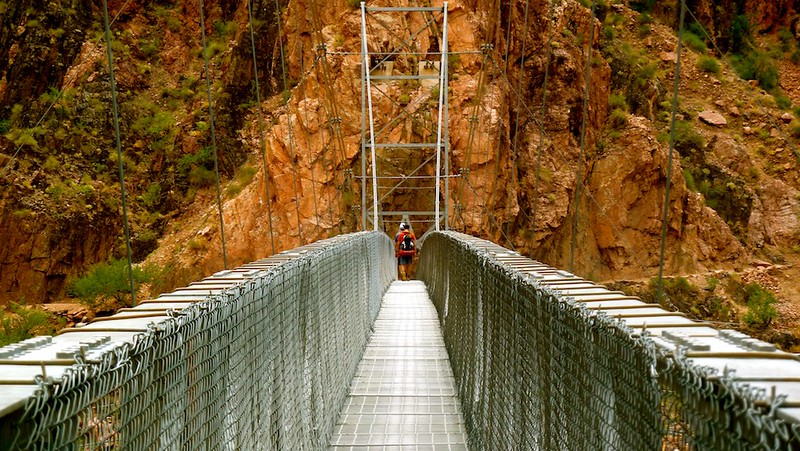
The Arizona Trail crosses nine of Arizona’s eleven biomes, offering more ecological diversity per mile than any other trail in America. You’ll transition from Sonoran Desert to alpine meadows, with a stunning descent through the Grand Canyon as the centerpiece.
Why It Works for Beginners: Two months on trail gives you time to develop a rhythm without the overwhelming commitment of the AT. The varied terrain forces you to adapt to different conditions, building versatility.
Challenges to Expect: Water sources can be scarce, requiring careful planning. Spring (March-May) and fall (September-October) offer the best conditions. As of fall 2025, portions of the trail near Grand Canyon’s North Rim remain closed due to wildfire damage from the White Sage and Dragon Bravo fires. Check current conditions before starting.
Trail Character: Sand walking transitions to technical rock scrambles within miles. You’ll experience extreme temperature swings, encounter diverse wildlife, and navigate stretches where resupply points are 100+ miles apart.
Pinhoti Trail – 339 Miles

Time to Complete: 3-4 weeks (20-25 days without zeros)
Average Daily Miles: 14-16
States Crossed: Alabama and Georgia
This hidden gem through the southern Appalachians offers excellent preparation for the AT’s southern sections without the massive time commitment. The Pinhoti eventually connects to the AT at Springer Mountain.
Why It Works for Beginners: Three weeks is long enough to experience real trail life but short enough to take vacation time from work. You’ll test your gear systems, learn your body’s rhythms, and gain confidence before committing to longer trails.
Trail Character: Rolling forested ridges, occasional rocky sections, and peaceful backcountry define this well-maintained trail. While sections are remote, you can always reach civilization within a day if needed.
Oregon Coast Trail – 382 Miles

Time to Complete: 3-4 weeks (25-28 days without zeros)
Average Daily Miles: 14-16
States Crossed: Oregon (entire coastline)
Beach hiking offers a completely different experience from mountain trails. The OCT takes you along Oregon’s dramatic coastline through a mix of beach walking, forest sections, and coastal town passages.
Why It Works for Beginners: Flat terrain means consistent mileage. Frequent towns provide regular resupply and lodging options. The scenery is spectacular without requiring technical skills.
Trail Character: Tidepools, sea stacks, coastal forests, and charming beach towns define this route. Timing matters since some sections are tide-dependent. Spring through early fall offer the best conditions.
Superior Hiking Trail – 310 Miles
Time to Complete: 3 weeks (20-22 days without zeros)
Average Daily Miles: 14-16
States Crossed: Minnesota (Lake Superior’s North Shore)
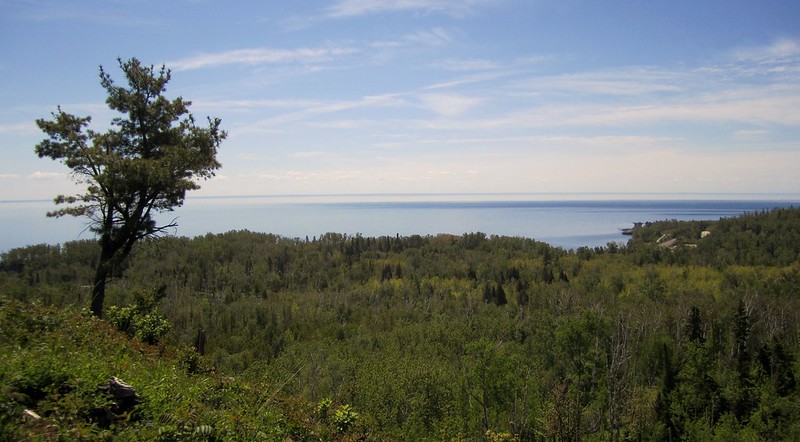
This trail showcases the rugged beauty of Minnesota’s North Shore, with constant views of Lake Superior and diverse forest ecosystems.
Why It Works for Beginners: Well-maintained trail, clear blazing, and shorter overall distance make this approachable. You’ll experience legitimate wilderness while never being too far from trailhead access.
Trail Character: Expect rocky ridges, deep forests, cascading streams, and dramatic views of Lake Superior. Wildlife encounters are common. Fall colors are spectacular.
Long Trail – 272 Miles
Time to Complete: 2.5-3 weeks (18-20 days without zeros)
Average Daily Miles: 14-16
States Crossed: Vermont
Vermont’s Long Trail shares its southern section with the AT before branching off toward the Canadian border. It’s the oldest long-distance trail in America.
Why It Works for Beginners: Since the first 100 miles overlap the AT, you get a taste of that trail’s culture. Regular shelters, good water sources, and manageable terrain help beginners succeed.
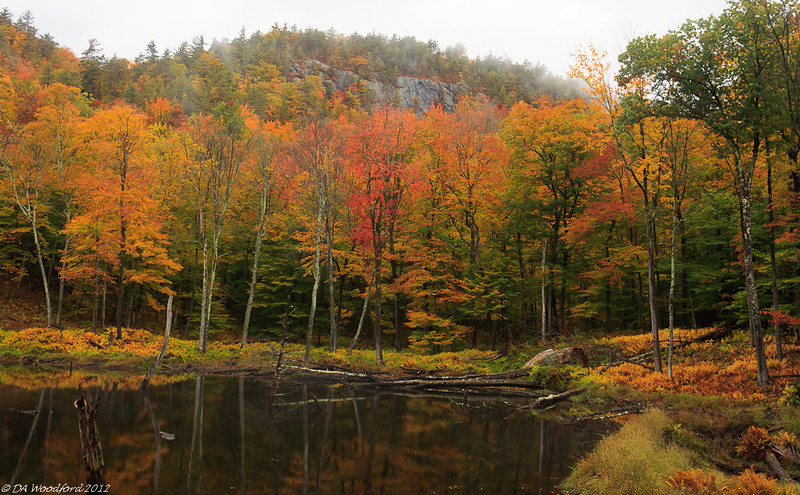
Trail Character: The Green Mountains offer classic Northeast hiking through spruce forests, over rocky summits, and past countless waterfalls. Mud season (spring) is notorious.
Ouachita Trail – 223 Miles
Time to Complete: 2-3 weeks (15-18 days without zeros)
Average Daily Miles: 14-16
States Crossed: Oklahoma and Arkansas
Running east-west through the Ouachita Mountains, this trail provides genuine wilderness experience with fewer crowds than more famous routes.
Why It Works for Beginners: Regular shelters and moderate terrain allow beginners to build confidence. The relative solitude teaches self-reliance without putting you in serious danger.
Trail Character: Rolling forested mountains, side trips to hot springs, rocky summits with views, and peaceful backcountry camping. Spring and fall offer ideal conditions.
Tahoe Rim Trail – 171 Miles
Time to Complete: 10-14 days without zeros
Average Daily Miles: 12-15
States Crossed: California and Nevada
This loop trail circumnavigates Lake Tahoe at elevation, providing constant stunning views without the commitment of a point-to-point trail.
Why It Works for Beginners: Two weeks is achievable for most people with vacation time. High-quality trail maintenance and proximity to Tahoe’s towns make logistics easier. The loop format means you start and end at the same place.
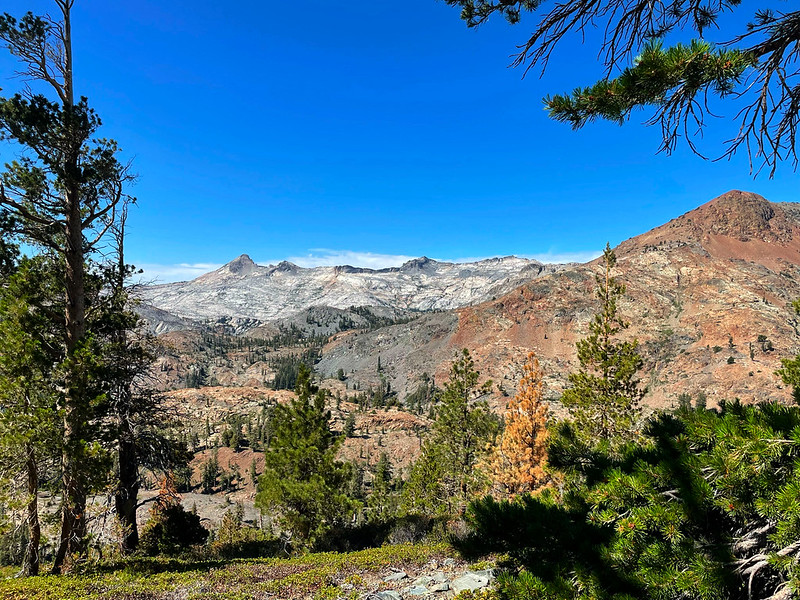
Trail Character: High alpine meadows, granite peaks, pristine lakes, and ever-present views of Lake Tahoe. Expect elevation ranging from 6,300 to 10,300 feet. July through September offer the best snow-free conditions.
Uinta Highline Trail – 107 Miles
Time to Complete: 8-10 days without zeros
Average Daily Miles: 11-13
States Crossed: Utah
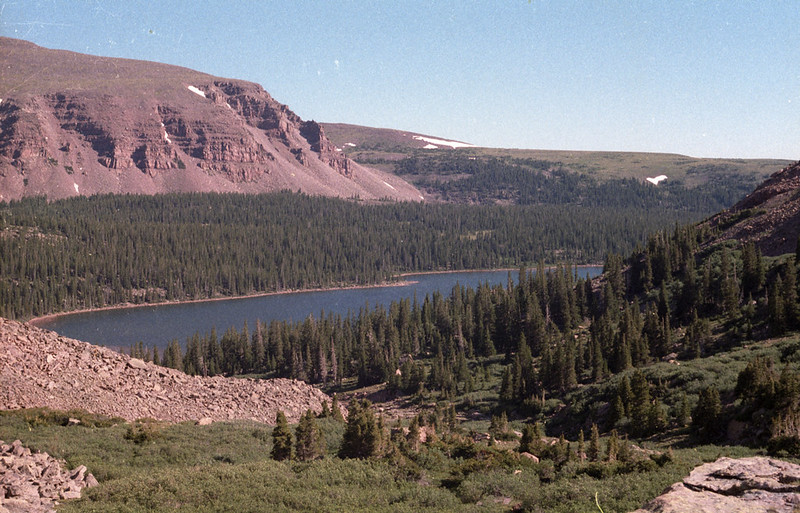
This high-altitude ridgeline trail through the Uinta Mountains provides a taste of legitimate wilderness and solitude.
Why It Works for Beginners: Just over a week on trail builds skills without overwhelming new hikers. The remote nature teaches self-reliance. Spectacular scenery rewards your efforts.
Trail Character: Alpine ridgeline hiking between 10,000 and 13,000 feet. Expect challenging terrain, limited resupply options, and genuine isolation. This trail pushes beginners to grow.
Lone Star Hiking Trail – 96.5 Miles
Time to Complete: 6-8 days without zeros
Average Daily Miles: 14-16
States Crossed: Texas
Texas’s longest continuous hiking trail winds through Sam Houston National Forest, offering Southern pine forest hiking with minimal elevation change.
Why It Works for Beginners: One week makes this achievable with limited vacation time. Flat terrain allows consistent mileage. Regular campsites and water sources simplify planning.
Trail Character: Pine and hardwood forests, occasional swampy sections, and peaceful woods define this trail. Summer heat and humidity can be intense. Spring and fall offer better conditions. Water sources may require planning depending on season.
Wonderland Trail – 93 Miles
Time to Complete: 6-10 days without zeros
Average Daily Miles: 9-12
States Crossed: Washington
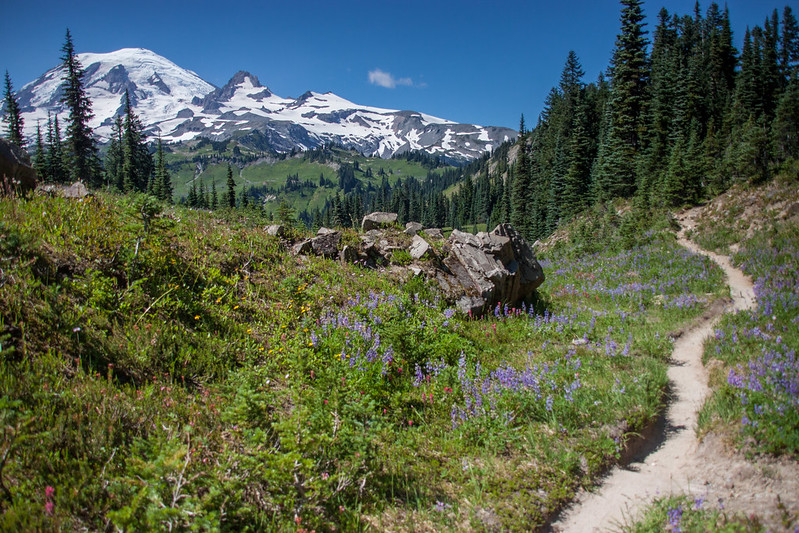
Circling Mount Rainier, this trail showcases some of the Pacific Northwest’s most dramatic scenery while testing your physical limits.
Why It Works for Beginners: Under 100 miles means a relatively short commitment, but significant daily elevation gain (often 3,500+ feet) builds serious strength and endurance.
Important Note: This trail requires a permit, which can be competitive. Apply well in advance or try for walk-up permits.
Trail Character: Temperate rainforests, alpine meadows, glacial rivers, and constant views of Mount Rainier. Expect challenging climbs and descents. July through September offer the best conditions.
Foothills Trail – 76.2 Miles
Time to Complete: 5-7 days without zeros
Average Daily Miles: 12-14
States Crossed: South Carolina and North Carolina
This trail through the southern Appalachians serves as an excellent shakedown for the AT, featuring similar terrain and conditions.
Why It Works for Beginners: One week is manageable for most people. Abundant water sources, regular camping options, and well-maintained trail reduce stress. Can be hiked year-round.
Trail Character: Waterfalls, mountain views from Table Rock, river crossings (mostly bridged), and classic southern Appalachian forest. Five days of food gets most hikers through without resupply.
Building Your Thru-Hiking Skills Progression
Don’t feel pressured to jump straight to the triple crown trails. The progression might look like:
Year 1: Foothills Trail (76 miles) or Lone Star Trail (96 miles)
Year 2: Long Trail (272 miles) or Ouachita Trail (223 miles)
Year 3: Arizona Trail (800 miles)
Year 4: Appalachian Trail (2,197 miles)
Each step builds skills, confidence, and physical conditioning while providing incredible experiences.
Final Considerations
Nearly every state has trails exceeding 50 miles that can get you away from civilization and into nature’s rhythm. Explore your region first before traveling across the country.
Thru-hiking isn’t just about the big three trails. These beginner options teach the same lessons about gear, planning, perseverance, and self-discovery while fitting more realistic timelines and skill levels.
Pick a trail that matches your available time and physical condition, then commit. You’ll finish with skills, confidence, and stories that set you up for even bigger adventures ahead.