
This website uses affiliate links which may earn a commission at no additional cost to you. As an Amazon Associate I earn from qualifying purchases.
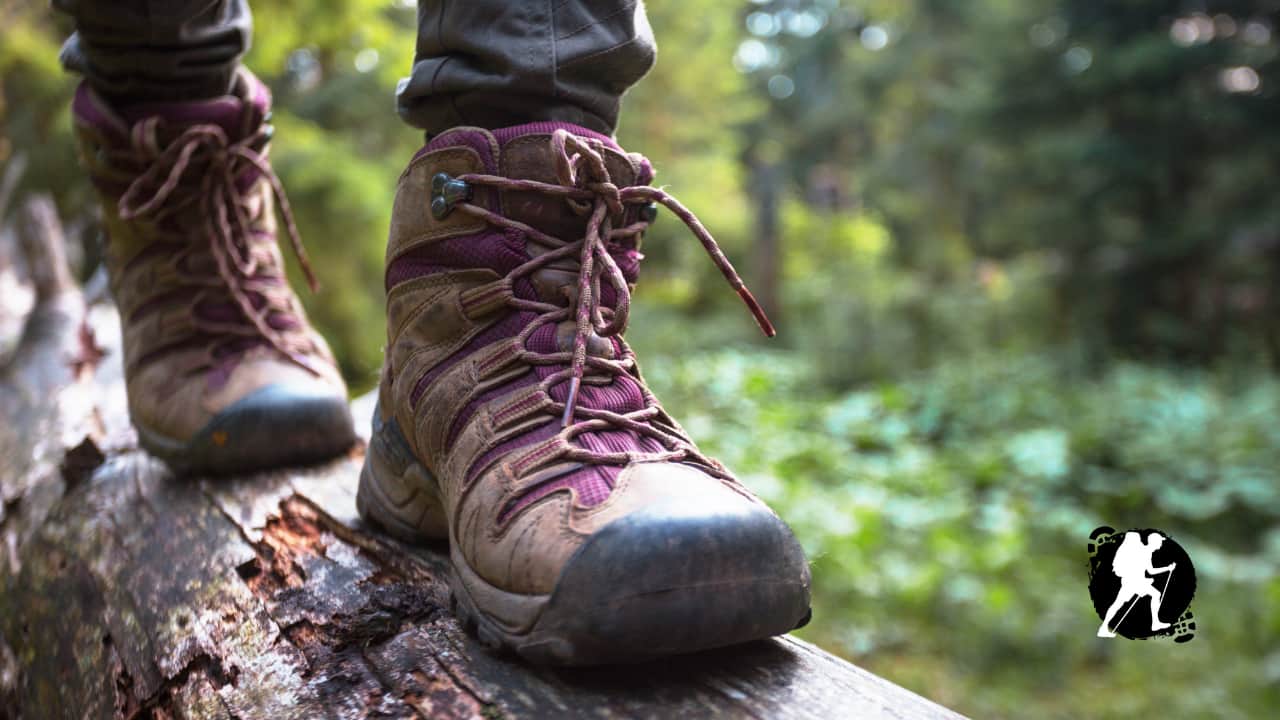
Your hiking shoes will be your most trusted companions on trail. They’ll carry you over mountain peaks, through meadows, across rivers, and maybe even through snow. Choosing the right footwear is one of the most critical decisions you’ll make during your preparation. Get it right, and you’ll have happy feet for thousands of miles. Get it wrong, and you might be limping into town looking for replacements.
Here’s what you need to know about choosing shoes that will carry you to the finish.
Understanding Terrain and Conditions
Before you start shopping, think about where you’re hiking. The Appalachian Trail‘s rocky terrain is different from the dusty stretches of the Pacific Crest Trail. Will you encounter constant rain and mud on the Pennine Way, or dry desert conditions? How heavy will your pack be? What temperatures can you expect?
Match your shoes to your trail. If you’re hiking mostly dry conditions, waterproof shoes might be unnecessary. Non-waterproof footwear is typically lighter and breathes better, keeping your feet cooler and reducing sweat buildup. Your feet will thank you for the ventilation.
Trail Runners vs. Hiking Shoes vs. Boots
Most modern thru-hikers choose trail runners or lightweight hiking shoes over traditional boots. The reasons are simple: lighter weight means less fatigue, and you don’t need heavy ankle support when you’re carrying an ultralight pack on established trails.
Trail runners have become the footwear of choice for many long-distance hikers. Popular models like the Altra Lone Peak, Hoka Speedgoat, and Brooks Cascadia dominate thru-hiking trails. These shoes are flexible, lightweight, and comfortable for high-mileage days. The tradeoff is durability. Expect to replace trail runners every 400 to 650 miles, depending on the model and terrain.
Hiking shoes offer more structure and support than trail runners while remaining lighter than boots. They typically last longer than trail runners and provide better protection on technical terrain. Models like the Salomon X Ultra, Merrell Moab, and Keen Targhee strike a balance between weight, durability, and support.
Hiking boots still have their place, especially on technical alpine routes with heavy packs or when you need serious ankle support. However, for most thru-hikes on established trails, boots are overkill. They’re heavier, take longer to break in, and can cause more problems than they solve for long-distance hiking.
Low or High Cut?
Low-cut shoes are lighter, more flexible, and allow better ankle mobility. They’re ideal for well-maintained trails and when you’re carrying a lighter pack. The increased breathability helps prevent moisture buildup. Most thru-hikers prefer low-cut footwear because it reduces fatigue over long days.
High-cut shoes provide ankle support and stability on uneven terrain. They’re better at keeping debris out and offer more protection in wet conditions. Choose high-cut shoes if you’re carrying a heavy pack, hiking technical terrain with significant scrambling, or have a history of ankle injuries.
Your ankle strength matters more than the shoe height. Strong ankles rarely need the support of high-cut shoes, and you’ll appreciate the weight savings of going low.
Key Features to Consider
Cushioning: This is highly personal. Some hikers love the plush feel of maximum cushioning (like Hoka models), while others prefer a more minimalist, ground-feel approach (like Altra’s zero-drop design). More cushioning typically means more comfort initially, but it adds weight and can reduce trail feel and stability on technical terrain.
Toe Box Width: Altra Lone Peaks are famous for their spacious toe box, which accommodates foot swelling during long hiking days. If your feet tend to swell or you have bunions, a wider toe box can prevent blisters and discomfort. Conversely, if you have narrow feet, a standard or narrow fit will feel more secure.
Drop: The drop is the height difference between your heel and toe. Zero-drop shoes (like Altras) position your foot flat, promoting a more natural gait. Traditional shoes have an 8-12mm drop. Switching between different drops requires an adjustment period, so test your shoes thoroughly before your hike.
Traction: Look for Vibram or similarly grippy outsoles. Deep lugs (5mm or more) provide better grip on muddy trails, while shorter lugs work fine on drier, rockier terrain. Consider where you’ll be hiking most.
Rock Plate: A rock plate protects your feet from sharp rocks and roots. It’s a thin, semi-rigid layer in the midsole that adds some stiffness but prevents bruising on rough trails.
Waterproof or Not?
This depends entirely on your trail. Waterproof shoes with Gore-Tex or similar membranes keep your feet dry in wet conditions but trap heat and sweat on dry days. Once waterproof shoes get wet inside (from stream crossings or sweat), they take much longer to dry than non-waterproof shoes.
Non-waterproof shoes dry quickly, breathe better, and are typically lighter. For most thru-hikes, especially in warmer months, breathable non-waterproof shoes are the better choice. Your feet will get wet either way (from sweat if nothing else), so fast-drying capability matters more than waterproofing.
If you’re hiking in consistently wet conditions with cold temperatures, waterproof shoes make sense. For everything else, embrace wet feet and choose shoes that dry quickly.
Popular Models Among Thru-Hikers
While the “best” shoe is different for everyone, certain models consistently appear on long trails:
- The Altra Lone Peak remains the most popular shoe among thru-hikers year after year, beloved for its zero-drop design and roomy toe box.
- The Hoka Speedgoat offers maximum cushioning and durability. Brooks Cascadia provides reliable performance with moderate cushioning.
- The Topo Athletic Traverse is designed specifically for thru-hiking with excellent durability.
- Salomon X Ultra models excel on technical terrain with superior stability.
Each has devoted followers, but what works for someone else might not work for you.
Finding Your Perfect Fit
Footwear is the most personal gear choice you’ll make. Your foot shape, gait, hiking style, and the terrain you’ll cover all factor into the decision. The right shoe is the one that fits YOUR feet best.
Start testing early. Wear your shoes on training hikes of increasing length and difficulty. Pay attention to hot spots, pressure points, and how your feet feel after 15+ miles. Break in your shoes thoroughly, but know that true comfort only reveals itself after many miles on trail.
Buy shoes a half to full size larger than your street shoe size. Your feet will swell during long hiking days, and you need room for thick socks and toe expansion on downhills. If your toes hit the front of your shoes on descents, you’ll lose toenails.
Consider buying multiple pairs before your hike and rotating through them on training hikes. What feels perfect in the store might cause problems after 20 miles. Strong ankles matter more than high-cut shoes. If you have weak ankles, focus on strengthening exercises rather than relying solely on shoe support.
On Trail Considerations
Plan your resupply strategy. Most hikers mail shoes to themselves at planned stops or buy new pairs in trail towns. Research which towns have outdoor stores or good shipping options.
Expect to go through multiple pairs. Even the most durable shoes have a limited lifespan. Most thru-hikers replace their footwear every 400 to 650 miles, though this varies widely based on shoe type, terrain, and your gait.
Take care of your feet. Air them out during breaks. Change into camp shoes at the end of each day. Address hot spots immediately before they become blisters. Consider using gaiters to keep debris out of your shoes and reduce wear on the upper fabric.
Your shoes will become your most important piece of gear. Choose wisely, test thoroughly, and trust your feet. They’re carrying you on an incredible journey.