
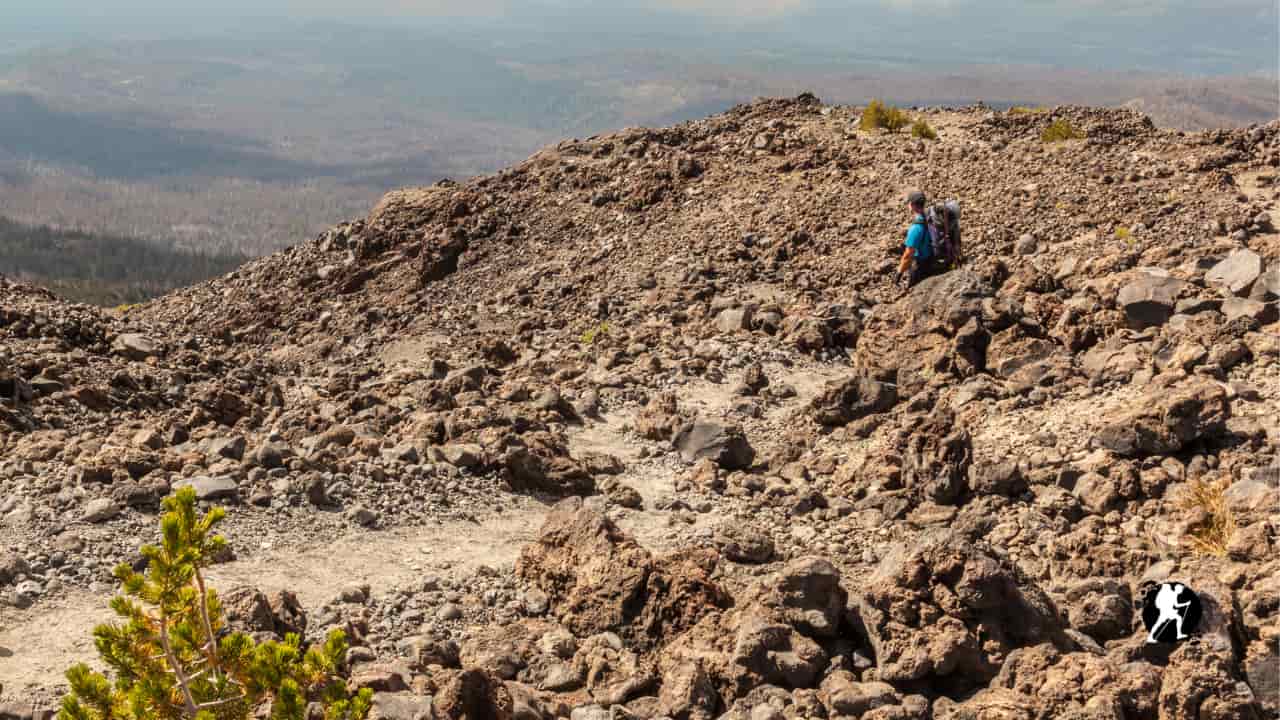
Thru-hiking is the pursuit of hiking a long-distance trail from end to end in a single continuous journey, typically completed within one hiking season. Unlike section hiking (completing a trail in segments over multiple trips) or day hiking, thru-hiking means carrying everything you need on your back and living on the trail for weeks or months at a time.
The most iconic thru-hikes include the Appalachian Trail (2,190 miles), Pacific Crest Trail (2,650 miles), and Continental Divide Trail (3,100 miles), though dozens of long-distance trails exist worldwide.
Why Do People Thru-Hike?
The motivations are as diverse as the hikers themselves, but common threads emerge:
Personal challenge and growth – Many thru-hikers seek to prove something to themselves, whether it’s physical endurance, mental resilience, or the ability to complete something audacious.
Escape and simplification – The trail offers freedom from modern complexity. Your daily concerns become beautifully simple: walk, eat, sleep, repeat.
Connection with nature – Months immersed in wilderness creates a profound relationship with the natural world that’s impossible to replicate in shorter trips.
Community and trail culture – The thru-hiking community is legendary for its camaraderie, trail names, and shared experience of something few people attempt.
Life transition – Many people thru-hike during major life changes: between jobs, after graduation, following retirement, or during periods of grief or healing.
What Makes Thru-Hiking Different?
The Mental Game
While physical fitness matters, mental endurance often determines success more than athletic ability. You’ll face challenging days when you’re tired, wet, cold, or injured. The ability to keep moving forward through discomfort separates those who finish from those who don’t.
Living Minimally
You’ll carry everything you need in around a 30-50 pound pack (or lighter for ultralight hikers). This means making constant decisions about what’s essential versus what’s merely nice to have. Many hikers find this forced minimalism challenging but also incredibly liberating.
The Rhythm of Trail Life
Days follow a natural pattern: wake at dawn, hike 8-12 hours covering 15-25 miles, set up camp, eat, sleep. This repetitive simplicity can be meditative, though monotony challenges some hikers.
Resupply Strategy
Since you can’t carry months of food, you’ll visit towns every 3-7 days to resupply. This rhythm of wilderness-to-civilization creates a unique lifestyle where you oscillate between complete isolation and small-town stops.
Is Thru-Hiking Right for You?
Consider these questions honestly:
Time commitment – Most thru-hikes require 4-6 months. Can you take extended time away from work, family, or other obligations?
Financial investment – Expect to spend $4,000-$8,000 for a typical thru-hike, including gear, food, lodging, and incidentals. Some hikers manage on less through careful budgeting.
Physical readiness – You don’t need to be an athlete, but you should be capable of walking all day with a loaded pack. Many hikers start in moderate shape and build fitness on the trail.
Comfort with solitude and uncertainty – Weather, injuries, and logistics won’t always go as planned. Flexibility and self-reliance are essential traits.
The Reality Check
Most people who start a thru-hike don’t finish. Completion rates vary by trail, but typically 20-30% of starters complete their journey. Common reasons for stopping include:
- Injury (especially knee, ankle, and foot problems)
- Financial constraints running out of money
- Underestimating the mental challenge
- Missing family and responsibilities
- Poor planning or inadequate gear
This isn’t meant to discourage you, it’s meant to ensure you go in with realistic expectations. Those who finish often say it’s one of the most meaningful experiences of their lives.
Getting Started
If you’re feeling the pull toward thru-hiking:
Start with shorter trips. Do overnight backpacking trips and gradually extend them. Learn what gear works for you and how your body responds to consecutive days of hiking.
Research your chosen trail thoroughly. Each long-distance trail has unique challenges, terrain, climate, and culture.
Connect with the community. Read trail journals, join online forums, attend trail days or hiker events. Learning from others’ experiences is invaluable.
Accept that it will be hard. And also transformative, beautiful, frustrating, rewarding, and unlike anything else you’ve done.
The trail doesn’t care about your hiking resume. It will test you regardless. But for those willing to embrace the challenge, thru-hiking offers a journey that stays with you long after you’ve stepped off the trail.